
Implementing Latest 2026 Security Features in Salesforce
Business Problem
Organizations using Salesforce manage large volumes of sensitive customer, financial, and operational data, making security a critical concern. With the rapid rise of cyber-attacks and the growing adoption of generative AI technologies, businesses are increasingly exposed to multiple security risks. These include unauthorized access to sensitive customer information, potential data leakage through AI integrations and third-party applications, and misconfigured permissions or public portals such as Salesforce Experience Cloud. In many cases, organizations also lack real-time threat detection capabilities, making it difficult to identify suspicious activities quickly. Additionally, companies must ensure compliance with strict data protection regulations such as General Data Protection Regulation, Health Insurance Portability and Accountability Act, and Digital Personal Data Protection Act.
Proposed Solution: Latest Salesforce Security Capabilities (2026)
Organizations should implement the latest Salesforce security innovations built into the modern platform.
- Einstein Trust Layer
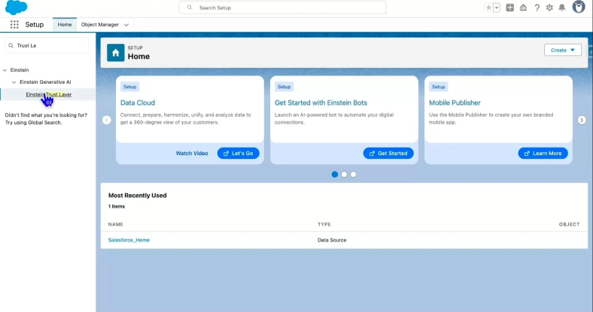
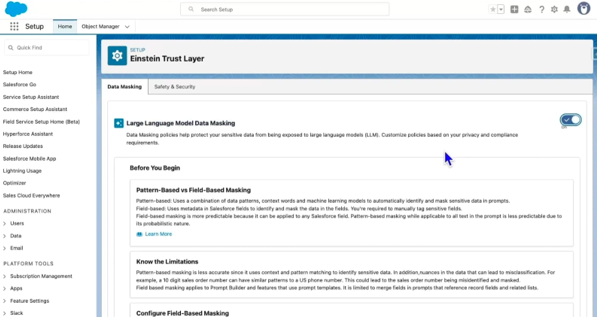
The Einstein Trust Layer ensures that generative AI operates securely within Salesforce by protecting sensitive data during AI interactions. It includes features such as data masking for confidential information, secure data retrieval, and dynamic grounding to ensure AI only accesses authorized data. It also enforces zero data retention when prompts are sent to large language models and monitors AI outputs for harmful or inappropriate responses. These capabilities allow organizations to safely use AI-powered automation while maintaining strong data privacy and security.
- Salesforce Security Center & Shield Enhancements
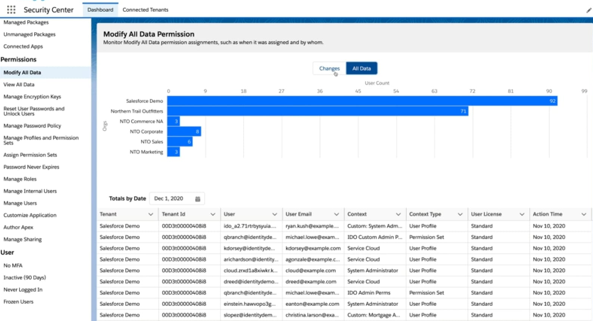
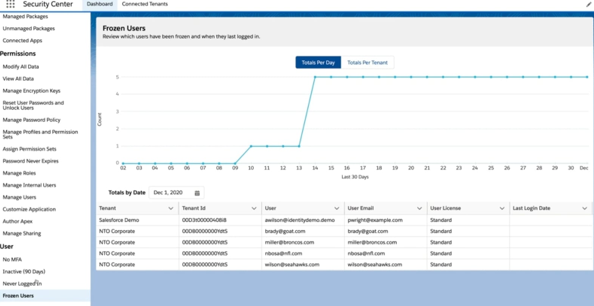
Salesforce Security Center provides centralized monitoring tools that help security teams track activities within Salesforce. It enables real-time monitoring of user actions, helping organizations quickly identify unusual or unauthorized activities.
Additionally, Salesforce Shield enhances security with features such as Field Audit Trail to track data changes, Platform Encryption to protect sensitive data, and Event Monitoring to detect suspicious behaviour. These capabilities help organizations quickly identify insider threats and improve overall data security.
- Hyper force Secure Infrastructure
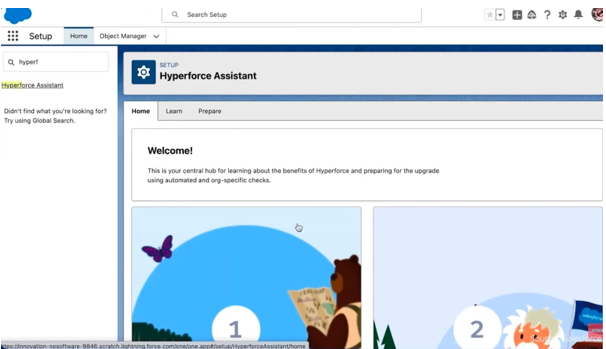
Hyperforce is the modern cloud infrastructure that powers Salesforce, designed to improve security and compliance. It provides built-in encryption for data at rest and in transit, supports global compliance standards, and offers secure identity and access management with strong authentication controls. This ensures that security is integrated across the entire platform, from infrastructure to application level.
- Data Cloud Security & Governance
Modern businesses increasingly rely on unified customer data platforms such as Salesforce Data Cloud to collect, integrate, and analyze data from multiple sources. As organizations bring together large volumes of customer information, strong security and governance controls are essential to protect sensitive data and maintain trust.
Security capabilities in Data Cloud include data access policies and consent enforcement to ensure that customer information is used only with proper authorization. It also supports secure integration across different data sources, AI-ready data governance, and data classification to identify and protect sensitive information. These features help prevent data misuse when organizations activate customer insights or use AI analytics within Salesforce.
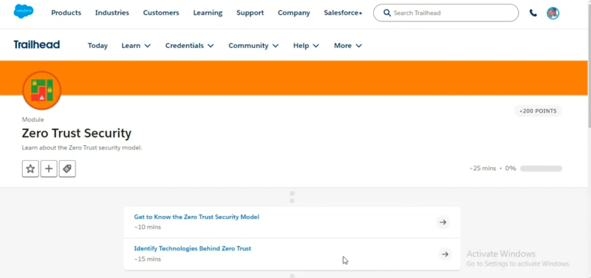
- Zero Trust Security Model
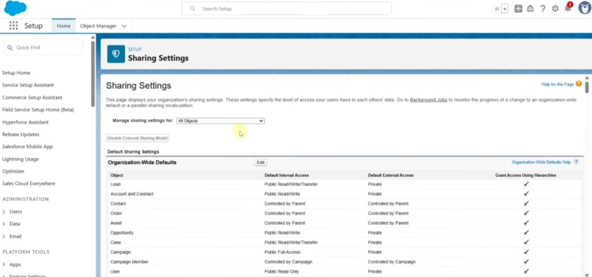
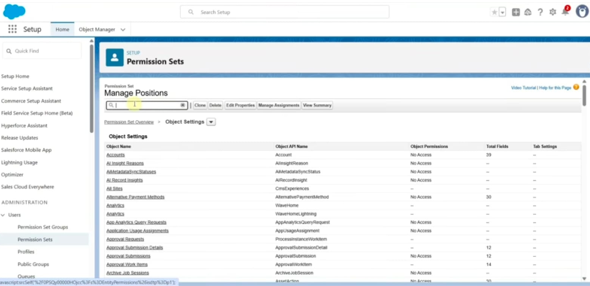
The Zero Trust Security Model used in Salesforce ensures that no user or system is trusted by default. Every access request must be verified before allowing access to data or resources.
This approach uses security controls such as multi-factor authentication (MFA), least-privilege access, continuous user verification, and identity-based access policies. These measures help prevent unauthorized access and strengthen overall system security.
Expected Business Impact
Implementing modern security capabilities in Salesforce helps organizations significantly reduce the risk of data breaches and unauthorized access to sensitive information. Strong security controls protect customer and business data, which in turn helps build greater trust and confidence among customers and partners.
These advanced security features also support secure AI-driven business operations while ensuring compliance with regulatory requirements and governance standards. By strengthening data protection and monitoring capabilities, organizations can safely adopt new technologies and support their overall digital transformation in a secure and reliable way.
Conclusion
As Salesforce continues integrating AI, Data Cloud, and automation, security must evolve simultaneously. By adopting modern features such as Einstein Trust Layer, Security Center, Hyperforce infrastructure, and Zero Trust architecture, organizations can ensure their Salesforce environment remains secure, compliant, and future-ready.